
Services
Facades
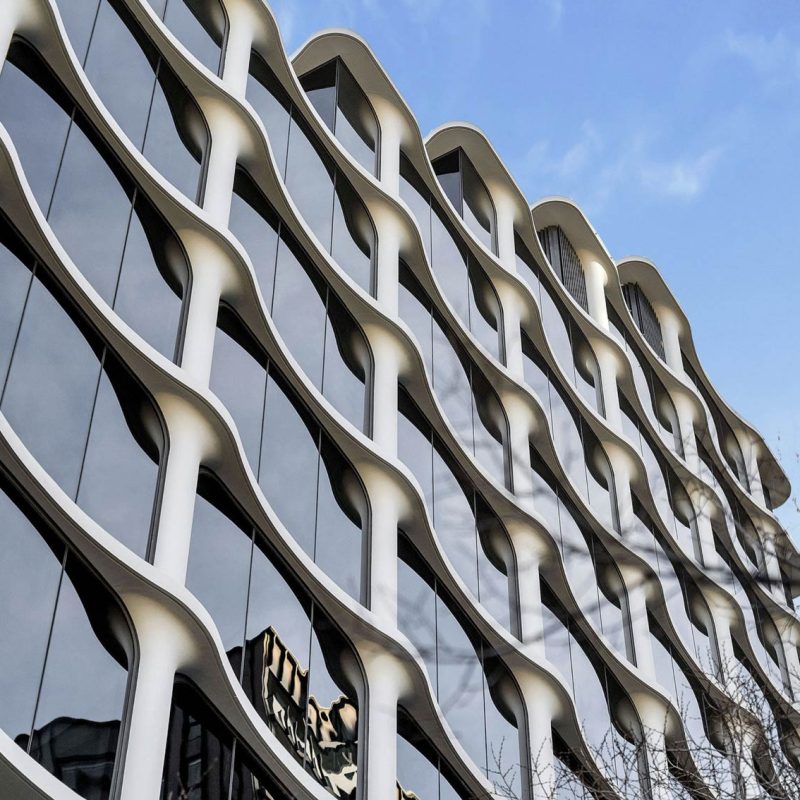
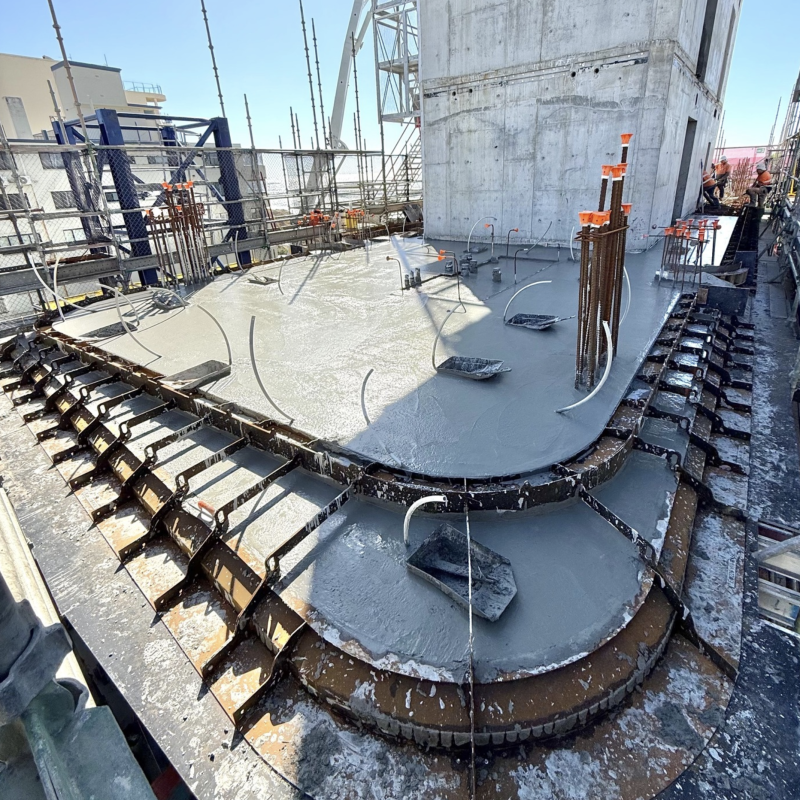
Slab edging
Precast
In situ
Feature
More
F.A.Q.
The more detail you can give us about your project the faster and more accurate the early estimates will be. Giving us a budget is fantastic — it can rule in or rule out a lot of options. Each option takes time to cost out so estimating multiple options adds to the eventual project cost.
Dimensions! You wouldn’t believe how many quote requests we get with no dimensions! Cross section measurements, lineal meters, square meters, 3D files, even a dimensioned hand sketch… all ad to the speed we can get back to you. Too many dimensions is also a problem — A massive 3D file or PDF of an entire high-rise development when we need only one element to cost out slows our process down. Zero in screenshot and markup the details we need to see.
A project timeframe is useful as it can also rule out some mould options. Getting the mould resolved early is essential — our fast fabrication and assembly methods are no help if your formwork is confirmed a day after one of our large scale projects kicks off. We are agile and can expand but sometimes all our fabrication options are booked up.
Simply put the best / fastest estimations happen when there is lots of detail early, you quickly answer all our questions and make decisions, your budget is and timeframe is confirmed and you have a good understating of form you are wanting to mould. If any of these parameters are compromised then we estimate a safe price to cover all eventualities which is higher than may be needed.
We generally allow time for quoting / estimates every day unless flat out so usually can supply an estimate within a week. With a little more work a formal quote can be issued that is valid for 30 days.
If you are planing an interesting concrete element in your next project we are happy to guide your early design process, some small changes can reduce the cost or make the fidelity of the design more robust.
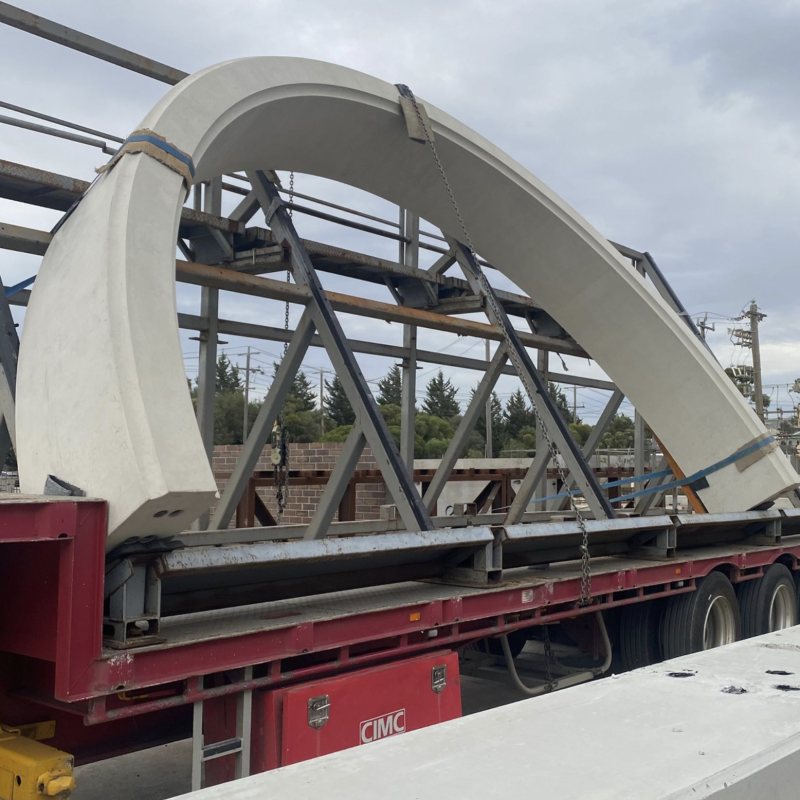
Pre-cast or in-situ is one of the early decisions to be made. Precast is good for repeat shapes used in interesting layouts. It reduces the time required on site but still needs good footings and careful installation, all the joins are also apparent.
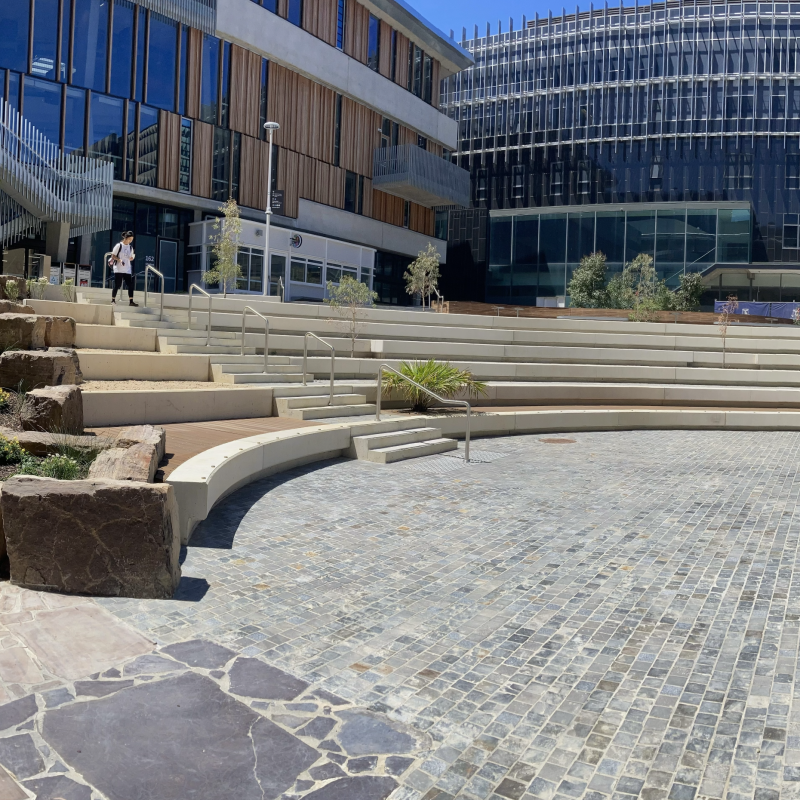
In-situ is good to get longer runs between joins and simplifies the footings needed. Single use EPS (polystyrene) moulds are good here but steel is also possible and can be a saving if multiple pours are possible. EPS is good for single pour situations. In-situ is generally much cheaper than pre-cast, our steel moulds produce a similar look to pre-cast.
There is a lot of feedback in the architects decisions between the method proposed, budget and design intent. We are happy to assist in this process.
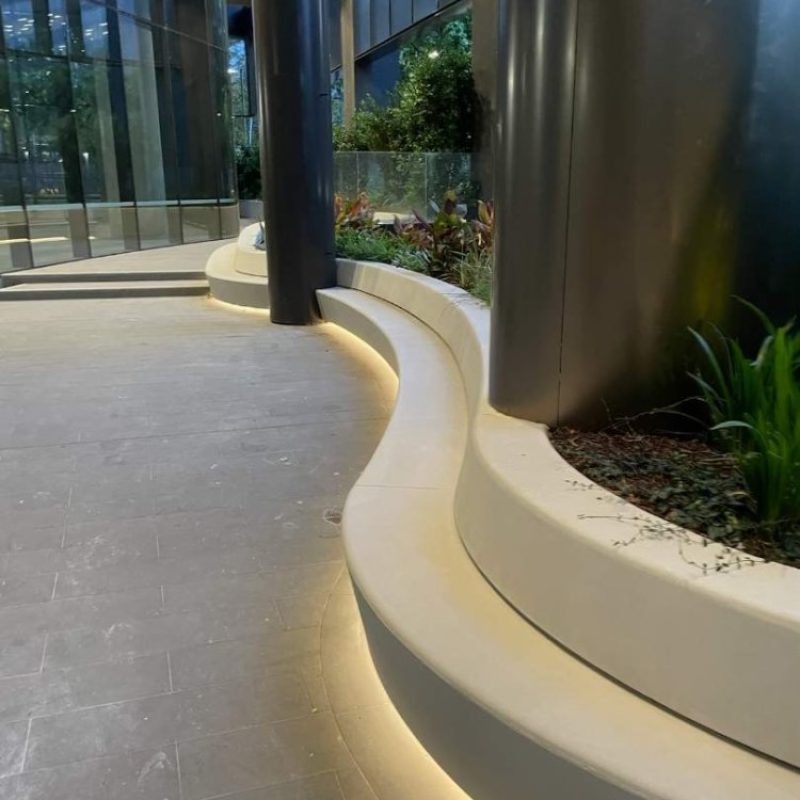
We see a lot of forced compromise when the design and the budget are mismatched. Any shape is possible to form but simple things can assist here. More expensive designs are: compound curves, one-off shapes, and class one finishes. Repeat shapes in steel reduce costs. Compound curves and conical surfaces in increase costs in EPS moulds. Class one finish in EPS increases costs. We often see multiple curved benches / walls in a landscape that have slightly different radii, we will offer design consolidation that can reduce the amount of moulds required with small compromise to the design eg changing two or three similar radii to one.
Talk to us about you budget and we can help you decided the most effective solution to suit the project and your needs.
Timeline is in two parts: the time it takes to make a mould and how long you have to setup and pour. Our common systems are similar in fabrication time which is a little dependent on bookings in each process area. Best bet is to confirm early so we can get things done in time. On-site limits in access can effect design choices ie cost of concrete pump means the entire project may need to be poured on one day which is where single use foam moulds work best. Stick-built (by hand) formwork requires lots of time on site (higher labour costs and waste) our systems are designed prior to forming up on site which resolves all of the small details which can eat time. Our systems are delivered to site and set up quickly with little survey required; we supply comprehensive layout and parts labelling diagrams that makes sense of the truckload of moulds that arrive. As we have decoupled formwork and concreting is can be hard for some to see the advantages but reduced labour costs and increased accuracy is what keeps the concreters who use us not only coming back, but upgrading the complexity and number of projects they can take on.
Waste is another design consideration, especially in Green buildings but it is also a cost integral to any project. Our best performers here are steel moulds. For all their other advantages these moulds are reusable or recyclable — steel scrap having a value. Reuse is the best option as the impacts of making a steel mould are spread over the many parts produced. Clever design is to come up with a shape that will have multiple uses in future projects.